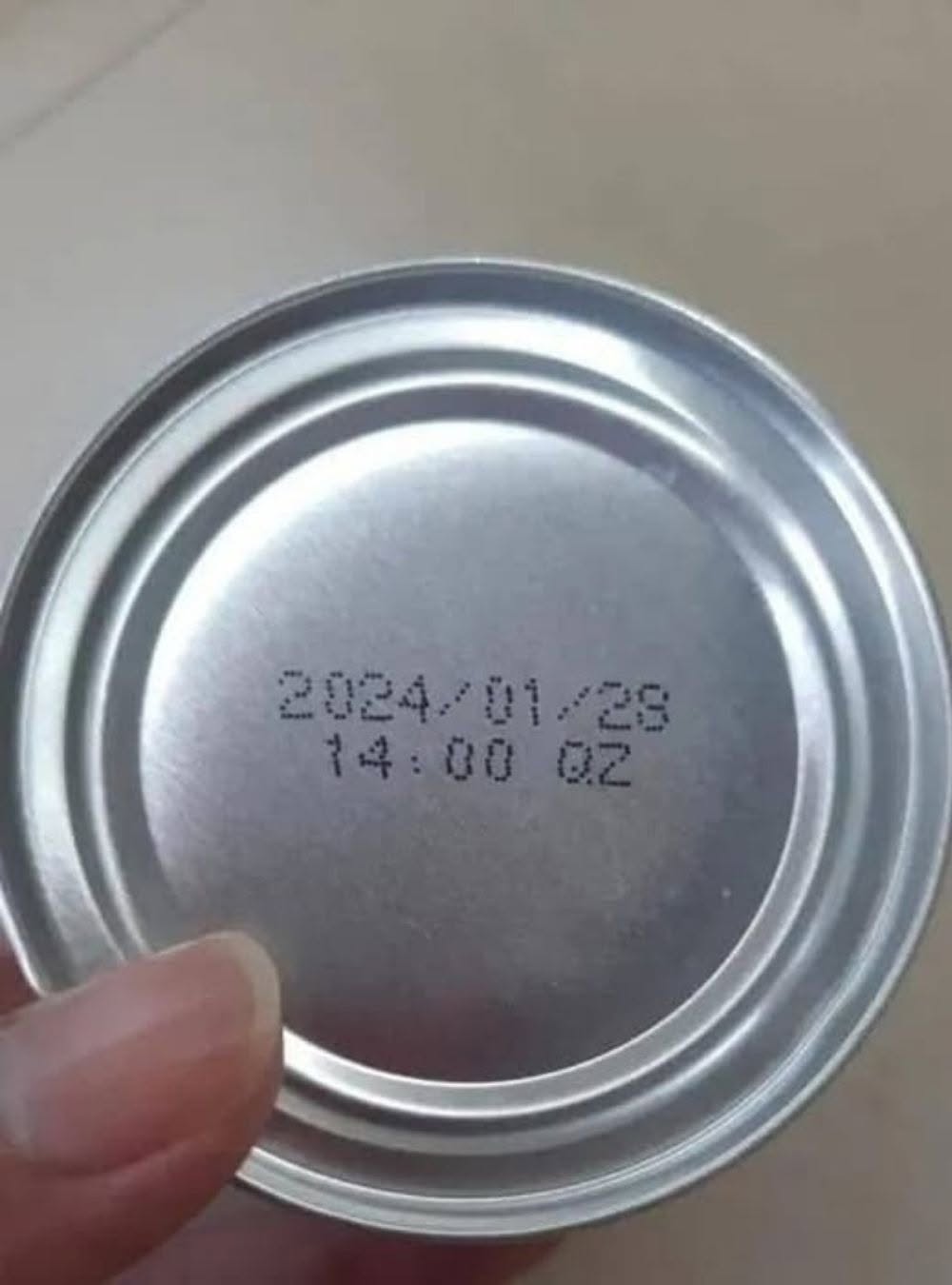
For many shoppers, food date labels feel like hard deadlines—cross the date, and the food must be thrown away. In reality, most of these dates are not safety warnings at all. They are quality guidelines, and misunderstanding them leads to unnecessary stress, wasted money, and perfectly good food ending up in the trash.
In the United States, there is only one product category required by federal law to carry a true expiration date: infant formula. This is to ensure babies receive the correct nutritional value. For almost all other foods, date labels are applied voluntarily by manufacturers to indicate peak freshness, flavor, or texture—not the moment a product becomes unsafe to eat.
Knowing how to read these labels makes a big difference.
“Best By” or “Best Before” dates refer to quality, not safety. They tell you when a product is expected to taste its best, but many foods remain completely safe well beyond that point if they’ve been stored properly. Shelf-stable items like rice, pasta, cereal, canned goods, and snacks often last months—or even years—past these dates without posing a risk.
“Sell By” dates are meant for stores, not consumers. They help retailers manage inventory and rotate stock, but they do not indicate when food becomes unsafe at home.
Even “Use By” dates, which sound more serious and are commonly found on refrigerated foods, are generally conservative estimates. These dates should be considered alongside common-sense checks such as smell, appearance, and texture rather than treated as automatic discard points.
What truly determines food safety is storage—not the ink on the package.