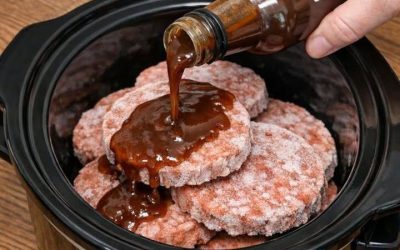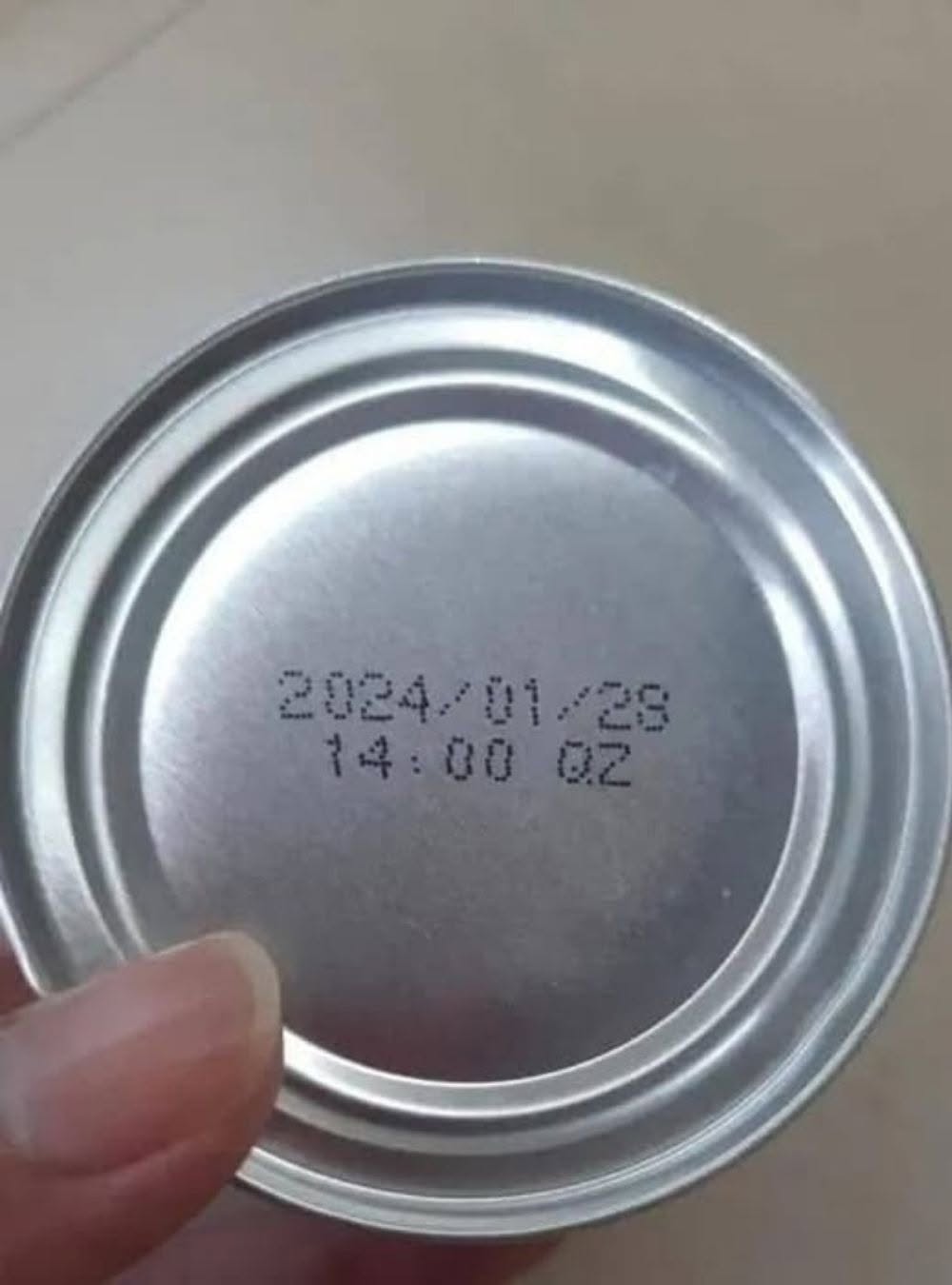
Temperature control, moisture, and exposure to air play a far greater role in how long food remains usable. Dry goods and canned foods can stay in good condition for long periods when stored in a cool, dry environment. Heat and humidity, on the other hand, can cause food to degrade much faster, even before the printed date arrives.
Once packaging is opened, proper handling becomes even more important. Sealing containers tightly, refrigerating promptly, and avoiding cross-contamination matter far more than the original date label. The clock essentially resets based on how the food is treated after opening.
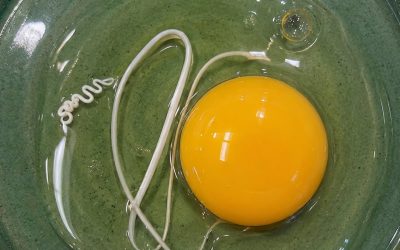
Learning to rely on your senses is one of the most effective ways to manage food safely. Changes in color, mold, sour or unusual smells, and unexpected texture are stronger warning signs than a general date stamp. Simple habits—rotating pantry items, labeling leftovers, freezing food before it spoils, and storing items correctly—protect both quality and health.
Understanding the purpose of date labels empowers smarter choices. It helps people reduce waste without increasing risk, saving money while respecting food as the valuable resource it is. When paired with good storage practices and basic sensory awareness, date labels become a helpful guide—not a rigid rule.