How to Make a Christmas Cactus Bloom: Essential Care Tips for Beautiful Winter Flowers
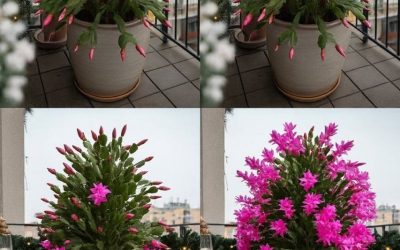
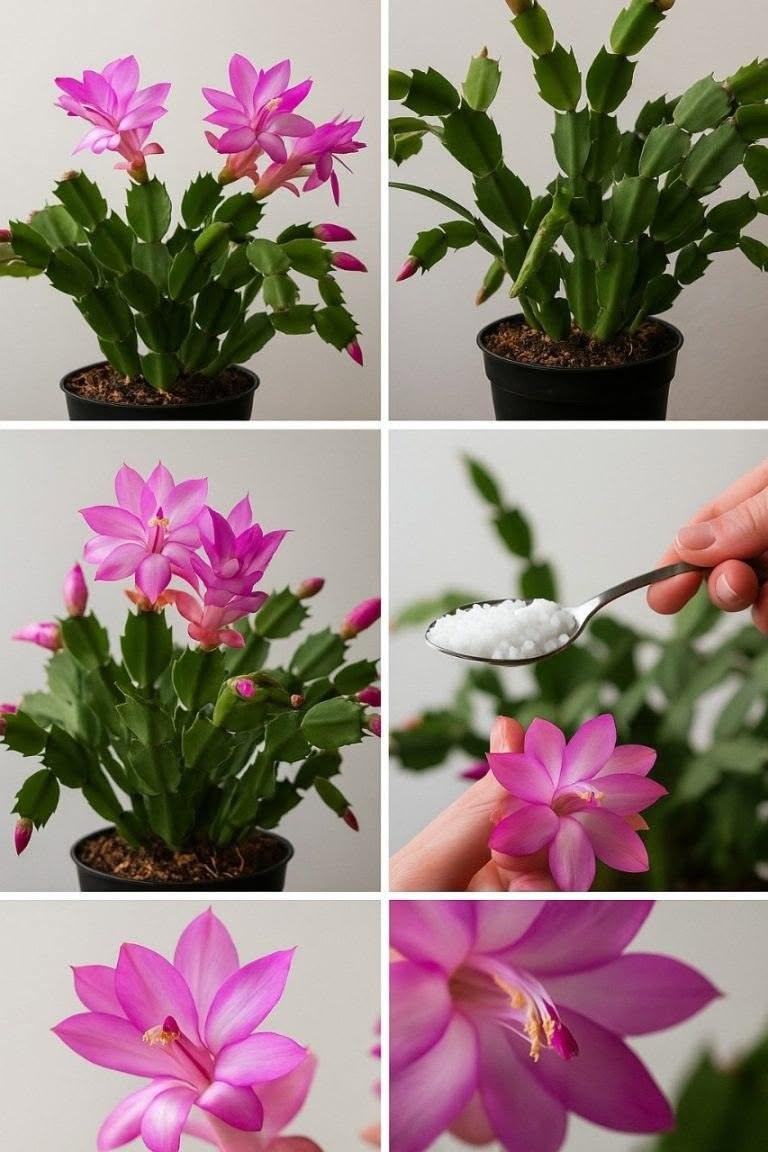
The Christmas cactus (Schlumbergera × buckleyi) is one of the most cherished indoor plants, admired for its unique beauty and ability to bloom during the darkest, coldest months of the year. Its colorful tubular flowers—often appearing in shades of pink, red, purple, or white—bring a cheerful touch to homes right in time for the holiday season.
Known for its impressive longevity and resilience, a Christmas cactus can thrive for decades when given proper care. However, encouraging it to bloom consistently and at the right time requires understanding its natural growth cycle and providing the conditions it prefers.
When Does a Christmas Cactus Usually Bloom?
Christmas cacti typically flower between late November and January, making them a popular decorative plant during the holiday season.
In their native habitat—the tropical rainforests of Brazil—these plants bloom when days become shorter, nights become longer, and temperatures gradually cool. By recreating these environmental conditions indoors, gardeners can encourage reliable blooming year after year.
The two primary factors that influence flowering are light exposure and temperature. When the plant experiences extended periods of darkness combined with cooler temperatures, it naturally begins producing flower buds.
How to Encourage a Christmas Cactus to Bloom
If your Christmas cactus has stopped flowering or you would like to encourage blooming before the holidays, a few adjustments to its environment can help stimulate bud production.
Begin by ensuring the plant receives 12 to 14 hours of uninterrupted darkness each day for approximately six weeks. This mimics the short winter days of its native environment.
You can accomplish this by placing the plant in a room that remains dark during the evening hours or by covering it with a breathable dark cloth from evening until morning.
Even brief exposure to artificial light during this period may interfere with the plant’s natural flowering cycle and delay bud formation.
At the same time, keep the cactus in a cool environment with temperatures ideally ranging between 54°F and 61°F (12°C and 16°C).
These cooler temperatures act as a signal for the plant to begin developing flower buds. Avoid placing it near radiators, fireplaces, heating vents, or other sources of warmth that may prevent blooming.
A cool windowsill or a lightly used room often provides ideal conditions.
The moment flower buds appear, your care routine should change slightly to help those buds develop into the vibrant blooms that make this plant so beloved.