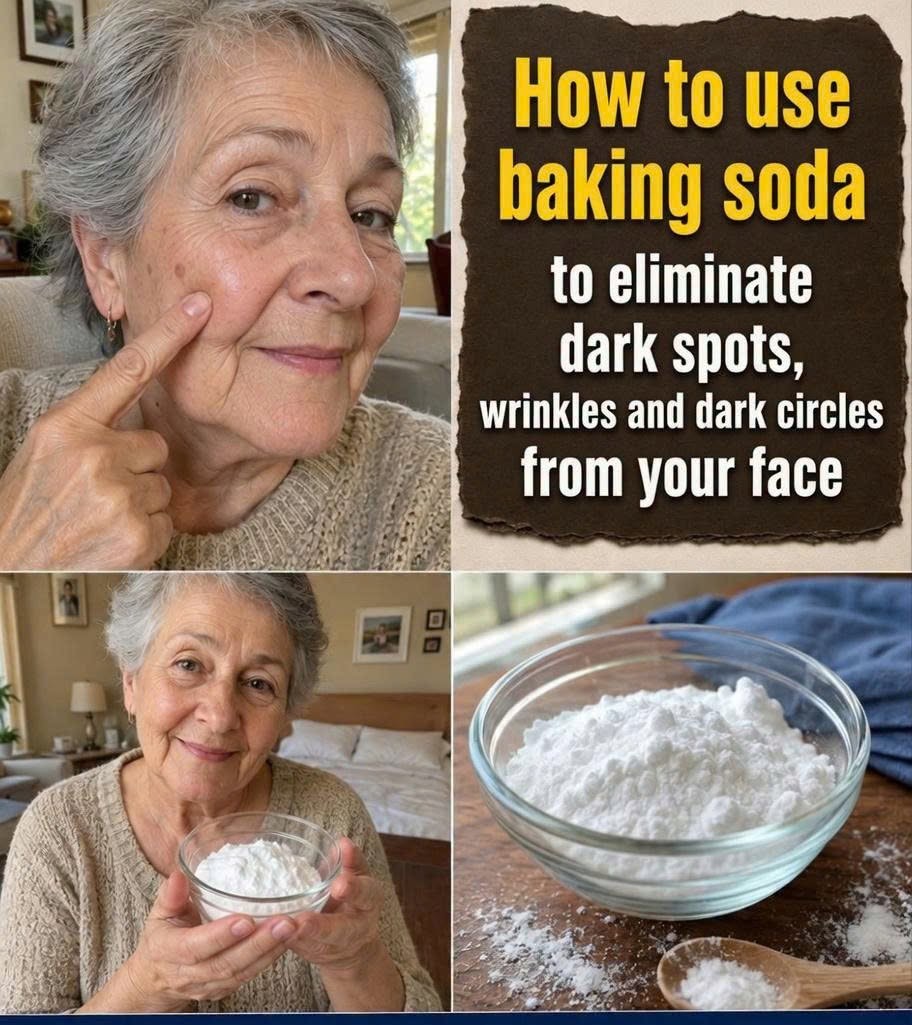
Baking soda is often promoted online as a cheap and effective solution for acne, blackheads, and skin whitening. While it does have some cleansing properties, dermatologists warn that it can also damage the skin barrier if used incorrectly or too often.
Healthy skin care is not about harsh treatments—it is about maintaining balance, hydration, and protection.
What Is Baking Soda?
Baking soda (sodium bicarbonate) is a white powder used in baking and household cleaning.
Because it is alkaline, it can change the skin’s natural pH balance.
Why People Use It for Skin Care
Some traditional uses include:
- Exfoliating dead skin cells
- Reducing oil on the skin
- Temporary smoothing effect
- Home remedy for acne spots (unproven)
However, these effects are short-term and come with risks.
Potential Risks for Skin
1. Disrupts Skin Barrier
Healthy skin is slightly acidic. Baking soda is alkaline and can disturb this balance.
2. Causes Dryness and Irritation
It may remove natural oils too aggressively.
3. Can Worsen Acne
Overuse can irritate skin and trigger more breakouts.
4. Not Suitable for Sensitive Skin
People with sensitive or damaged skin may experience redness or burning.
Safer Natural Skin Care Alternatives
Gentle Hydration
Aloe Vera gel is widely used for calming and moisturizing the skin.
Natural Oils
- Jojoba oil
- Coconut oil (for dry skin)
- Olive oil
Gentle Exfoliation
Instead of baking soda, use:
- Oatmeal scrubs
- Honey + sugar (mild use)
- Enzyme-based cleansers
Healthy Skin Care Routine
1. Cleanse gently
Use mild, fragrance-free cleanser twice daily.
2. Moisturize daily
Hydration is essential for skin barrier protection.
3. Protect from sun
Use sunscreen every day.
4. Avoid harsh DIY treatments
Over-exfoliation can damage skin long-term.
Foods That Support Healthy Skin