Signs Your Feeding Routine Is Working
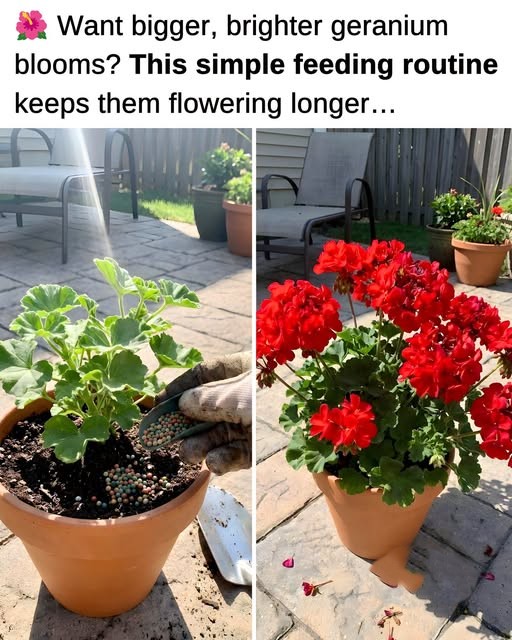
Healthy geraniums often provide clear signs that their nutritional needs are being met.
Positive indicators may include:
• Increased flowering within a few weeks of feeding.
• Fuller, more balanced growth.
• Healthy green foliage without excessive stretching or legginess.
• Strong stems capable of supporting blooms.
Monitoring your plants regularly allows you to identify both improvements and potential issues.
Signs of Over-Fertilization
Applying too much fertilizer can be just as problematic as applying too little.
Common signs of excessive feeding may include:
• Brown or scorched leaf edges.
• Sudden leaf drop.
• Excessive leafy growth with few flowers.
• Salt buildup on the soil surface.
If you notice these symptoms, reduce fertilizer applications and flush the soil with water if appropriate.
Additional Tips for Maximum Blooms
Fertilizer alone is not enough to produce outstanding flowering displays.
To encourage continuous blooming, regularly remove spent flowers through deadheading. This helps redirect the plant’s energy toward producing new blooms rather than developing seeds.
Geraniums also perform best when provided with adequate sunlight, proper watering, and good air circulation.
A balanced approach that combines proper feeding with good overall care practices typically delivers the best results.
Final Thoughts
Geraniums are rewarding plants that can produce abundant flowers throughout the growing season when their nutritional needs are met appropriately.
By choosing suitable fertilizers, avoiding excessive nitrogen, feeding at the right times, and incorporating natural supplements when desired, you can support healthier growth and more vibrant blooms.
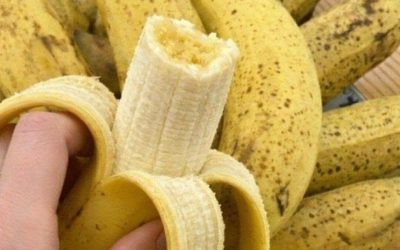
Whether you prefer commercial fertilizers or simple homemade alternatives like banana peel tea, eggshells, coffee grounds, or compost tea, consistency and moderation are the keys to success.
With the right care and feeding routine, your geraniums can reward you with colorful displays all summer long.