The bladder is a crucial organ in the urinary system, responsible for storing urine before it is excreted from the body. While often overlooked in discussions about health, maintaining a healthy bladder is essential for overall well-being. An unhealthy bladder can lead to discomfort and more severe health issues if left unchecked. Understanding the signs of an unhealthy bladder can help you take action before problems escalate.
In this article, we will explore 10 major signs that your bladder may be unhealthy. These signs range from frequent nighttime urination to persistent back pain. By recognizing these symptoms early, you can seek medical advice and make lifestyle changes to improve your bladder health and prevent further complications.
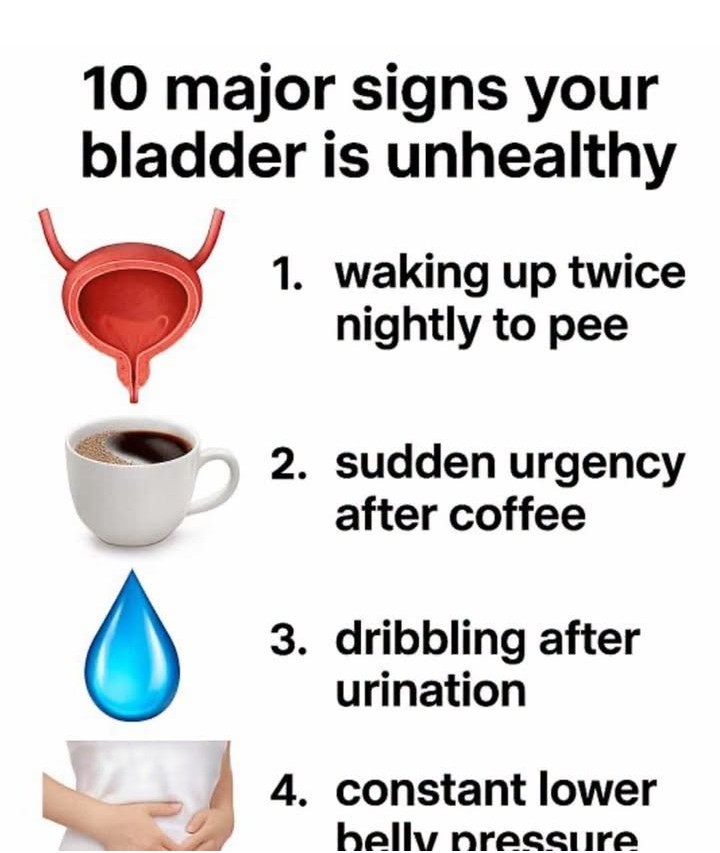
1. Frequent Nighttime Urination
Nocturia, or frequent nighttime urination, is a common sign of bladder issues. If you find yourself waking up more than once per night to use the bathroom, this could indicate an underlying problem. Normally, the body should produce less urine at night, allowing for uninterrupted sleep. Frequent nighttime urination can be caused by a variety of factors, including overactive bladder, urinary tract infections, or even diabetes.
Tracking your nighttime bathroom visits can help your healthcare provider diagnose the issue. Keep a diary of how often you wake up to urinate and any other symptoms you experience. This information can be crucial in determining the root cause of nocturia and finding an appropriate treatment plan.
2. Sudden Urgency After Caffeine
Caffeine is a known diuretic, which means it increases urine production. If you experience sudden urgency to urinate after consuming caffeine, this might indicate bladder sensitivity or an overactive bladder. This reaction is often more pronounced in individuals with existing bladder issues, as caffeine can irritate the bladder lining.
To manage this symptom, try reducing your caffeine intake and observe if there is an improvement. Pay attention to other bladder irritants like alcohol and spicy foods, which can also exacerbate symptoms. Consulting a healthcare professional can provide further insight into your symptoms and appropriate dietary adjustments.
3. Dribbling After Urination
Dribbling or leaking urine after finishing urination can be a sign of incomplete bladder emptying. This may occur due to weak bladder muscles, urethral blockage, or neurological conditions affecting bladder control. It's not uncommon for individuals to experience a few drops of urine after standing up from the toilet, but consistent dribbling warrants further investigation.
Exercises like pelvic floor strengthening can help improve muscle control and reduce dribbling. If the issue persists, a medical evaluation can help identify any structural or functional problems with the bladder or urinary tract.
4. Constant Lower Abdominal Pressure
Feeling constant pressure in the lower abdomen can indicate an overactive bladder or interstitial cystitis, a chronic bladder condition. This pressure is often accompanied by a persistent urge to urinate, even if the bladder is not full. In some cases, it may also be a sign of bladder stones or tumors, though these are less common.
Monitoring the frequency and intensity of this pressure can assist your doctor in diagnosing the cause. Treatment options may include medications to relax the bladder, bladder training techniques, or dietary changes to avoid irritants.
5. Pain or Burning Sensation During Urination
Pain or a burning sensation during urination, known as dysuria, is often associated with urinary tract infections (UTIs). However, it can also occur with other conditions like bladder infections, sexually transmitted infections, or kidney stones. This symptom typically requires prompt medical attention to determine the underlying cause and begin appropriate treatment.
Staying hydrated and practicing good hygiene can help prevent infections that cause dysuria. If you experience this symptom, seek medical advice to rule out more serious conditions and receive guidance on effective treatments.
6. Cloudy or Strange-Smelling Urine
Changes in urine appearance or smell can be a sign of bladder problems. Cloudy urine may indicate the presence of pus or high levels of white blood cells, suggesting an infection. Foul-smelling urine can also be a sign of infection or dehydration, where concentrated urine retains a strong odor.
Maintaining hydration is key to preventing concentrated urine. If you notice persistent changes in your urine's appearance or smell, consult a healthcare provider to check for infections or other underlying issues.
7. Blood in the Urine
Continue Reading 👇 Next Page