September: Stop Fertilizing
Beginning in September, discontinue all fertilizer applications.
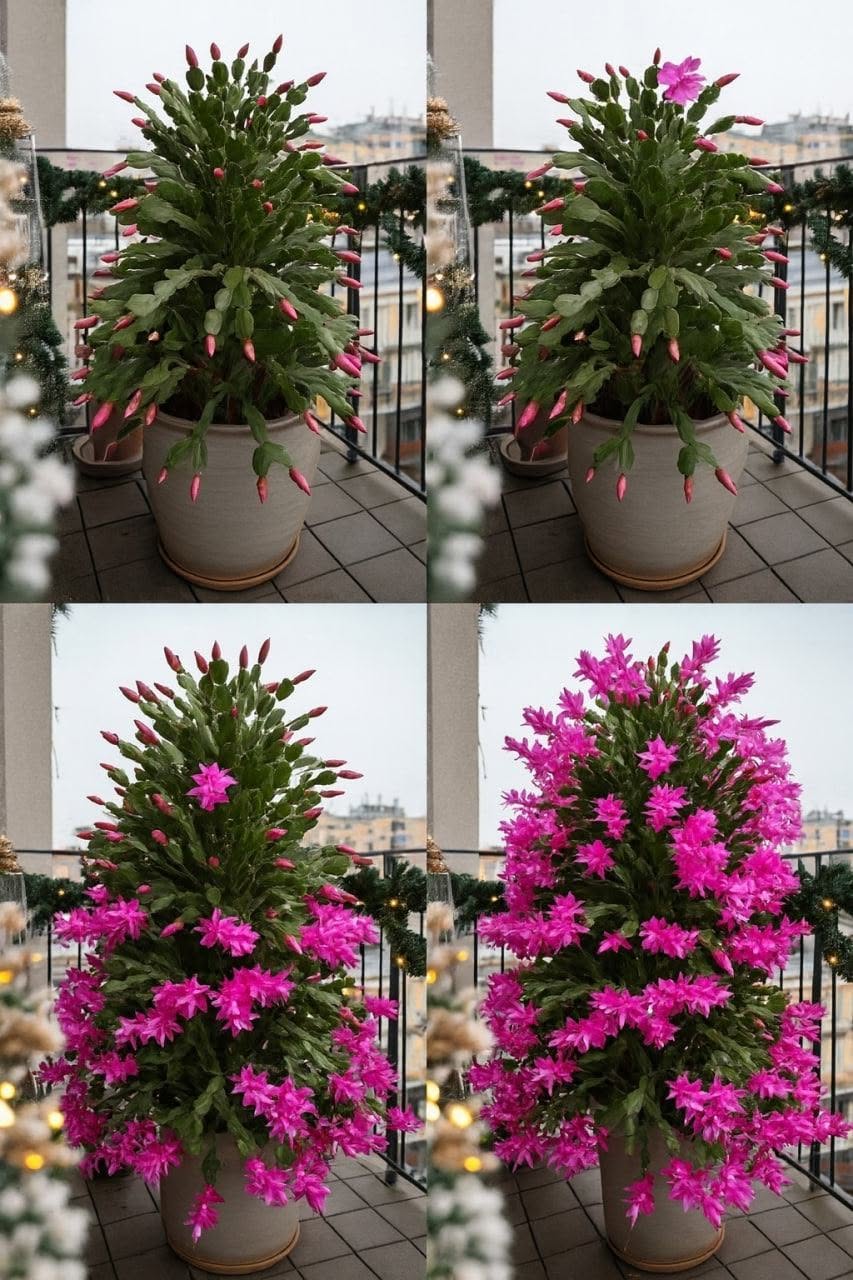
At this stage, the plant benefits from cooler temperatures and shorter daylight periods, conditions that naturally encourage flower bud formation. Continued fertilization may interfere with this process.
Additional Tips for Success
Monitor the appearance of your Christmas cactus throughout the year. Healthy plants typically produce firm, green segments and steady new growth during the active season.
Avoid overwatering, as excessive moisture combined with fertilizer can increase the risk of root problems.
Use well-draining soil and containers with drainage holes to help maintain proper root health.
Remember that Christmas cactus naturally prefers modest nutrient levels. Gentle, consistent care is often more effective than aggressive feeding schedules.
Conclusion
A successful Christmas cactus fertilizing routine relies on moderation, timing, and consistency. Light, diluted feedings during the growing season support healthy roots and strong segment growth, while periods without fertilizer allow the plant to rest and prepare for flowering.
By following this month-by-month guide, your Christmas cactus can develop into a vigorous plant capable of producing beautiful blooms during the holiday season. With the right balance of nutrients, water, light, and rest, this long-lived houseplant can continue rewarding you with flowers year after year.