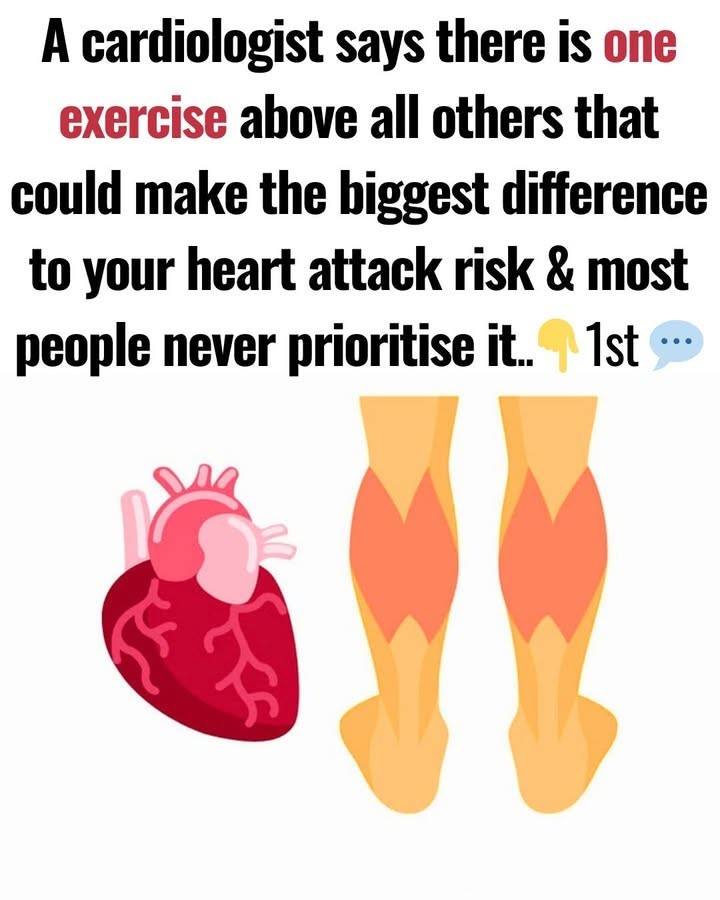
Cardiologist Reveals Why Lower-Body Strength May Be One of the Best Exercises for Heart Health
Heart disease remains one of the leading health concerns worldwide, prompting ongoing research into lifestyle habits that may help support cardiovascular health. While walking, cycling, and other aerobic exercises often receive the most attention, some cardiologists are also emphasizing the importance of strength training—particularly exercises that target the lower body.
According to cardiologist Dr. Jeremy London, strengthening the muscles of the legs may provide significant benefits for overall cardiovascular wellness. Because the lower body contains a large percentage of the body's total muscle mass, maintaining strong leg muscles may positively influence several factors associated with heart health.
While no single exercise can guarantee prevention of a heart attack, incorporating lower-body strength training into a healthy lifestyle may contribute to reducing cardiovascular risk factors.
Why Leg Strength Matters
The muscles of the legs account for approximately 40% to 50% of total muscle mass in the body.
When these large muscle groups are regularly exercised, they require substantial energy and metabolic support, creating a variety of beneficial adaptations throughout the body.
Stronger leg muscles may contribute to:
Improved insulin sensitivity.
Better blood sugar regulation.
Enhanced circulation.
Greater overall physical function.
Improved cardiovascular fitness when combined with aerobic activity.
The Connection Between Muscle Mass and Heart Health
Researchers have increasingly recognized the relationship between healthy muscle mass and cardiovascular wellness.
Maintaining muscle tissue supports metabolic health and may help regulate several factors associated with heart disease risk.
Improved Insulin Sensitivity
Muscle tissue plays a major role in how the body uses glucose.
Greater muscle mass is associated with improved insulin sensitivity, allowing the body to utilize blood sugar more efficiently.
Healthy blood sugar regulation is an important component of overall cardiovascular health.
Support for Healthy Cholesterol Levels
Regular physical activity and resistance training may contribute to healthier lipid profiles.
This can include supporting healthy levels of HDL cholesterol while helping manage triglyceride levels as part of an overall healthy lifestyle.
Enhanced Circulation
Working large muscle groups stimulates blood flow and encourages cardiovascular adaptation.
Improved circulation supports the delivery of oxygen and nutrients throughout the body.
Beyond building muscle, lower-body exercises may influence several biological processes that help support healthy blood vessels and cardiovascular function.