The Secret to “Sun-Drenched” Success
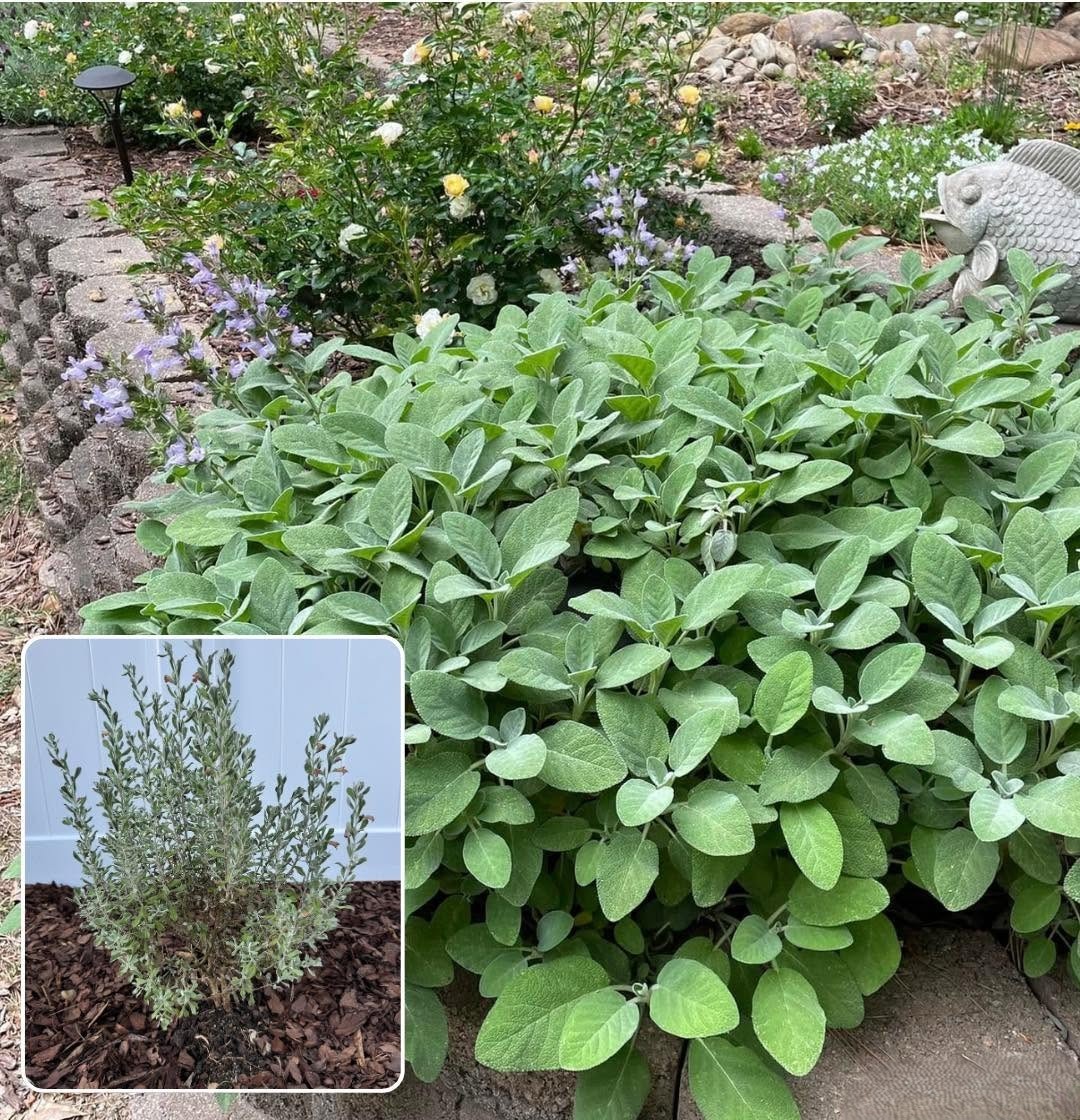
To enjoy the full benefits of sage, proper growing conditions are essential. Sage originates from Mediterranean regions and thrives in warm, sunny environments.
1. Maximum Sunlight for Maximum Growth
Sage performs best when planted in a location that receives at least six to eight hours of direct sunlight each day.
Full sun encourages compact growth, stronger fragrance, and healthier foliage.
Plants grown in too much shade often become leggy and produce fewer flowers.
2. The “Dry Feet” Rule
One of the most common mistakes gardeners make is overwatering sage.
Sage prefers well-drained soil and does not tolerate constantly wet roots. Raised beds, containers, and rocky garden areas are often excellent locations.
Once established, sage is relatively drought-tolerant and requires minimal maintenance.
3 Simple Rituals for Enjoying Your Backyard Sage
The Morning Walk
Take a few moments each morning to walk through your garden and gently brush the leaves. The fresh aroma can add enjoyment to the start of your day.
The Summer Prune
In mid-summer, lightly trim the top portion of the plant to encourage fresh growth and maintain a compact shape. The harvested leaves can be dried for later culinary use.
The Pollinator Watch
Spend a few minutes observing your sage bush on a sunny afternoon. You may be surprised by the variety of bees, butterflies, and beneficial insects it attracts.
Final Thoughts
The hidden reason every backyard benefits from a sun-drenched sage bush is simple: it offers remarkable value in a small package.
It supports pollinators, complements vegetable gardens, provides year-round beauty, and supplies fresh leaves for the kitchen. Easy to grow and highly adaptable, sage is one of the most rewarding plants a gardener can add to their landscape.
With plenty of sunshine and well-drained soil, a healthy sage bush can become one of the hardest-working and most appreciated plants in your backyard.