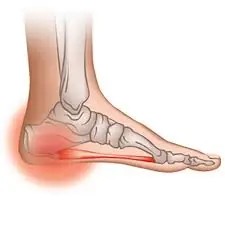
Simple Ways to Relieve Heel Pain
If your symptoms are mild, several self-care strategies may help reduce discomfort and support healing.
Gentle stretching exercises for the plantar fascia and calf muscles can improve flexibility and reduce tension on the heel. Stretching before getting out of bed may be particularly helpful for minimizing morning pain.
Wearing supportive footwear with proper arch support and cushioning can also reduce strain on the foot. Avoid walking barefoot on hard surfaces whenever possible, as this may increase irritation.
Applying an ice pack to the affected area for short periods may help reduce inflammation and provide temporary relief. Some people also find benefit from over-the-counter pain relievers when recommended by a healthcare professional.
When to Seek Medical Advice
While many cases of heel pain improve with conservative measures, persistent or severe symptoms should be evaluated by a healthcare provider.
Medical attention is especially important if:
• The pain continues for several weeks without improvement
• Walking becomes difficult
• Swelling, redness, or unusual warmth develops
• The pain suddenly becomes severe
• Symptoms interfere with normal daily activities
A healthcare professional can determine the underlying cause and recommend appropriate treatment options based on your specific situation.
Other Possible Causes of Heel Pain
Although plantar fasciitis is a common reason for morning heel discomfort, other conditions can also contribute to heel pain. These may include Achilles tendon irritation, stress injuries, nerve compression, arthritis, or other foot-related problems.
Because different conditions can produce similar symptoms, a proper evaluation is important when pain is persistent or worsening.
Listening to Your Body
Our bodies often communicate through small warning signs before a problem becomes more serious. Morning heel pain may seem easy to ignore, especially if it improves throughout the day, but paying attention to recurring symptoms can help prevent long-term discomfort.
By addressing the issue early through supportive footwear, stretching, proper activity management, and professional guidance when needed, you can protect your foot health and maintain comfortable movement for years to come.
Your first steps of the day shouldn't have to be painful. Understanding what your body may be telling you is the first step toward finding relief.